by Dr. Emily Lange, WEASC Project Support Officer
Last year's UNEA 5.2 session advanced a remarkable commitment – the project of building a UN Plastics Treaty, which has been described as "the most important international multilateral environmental deal since the Paris climate accord." The working group in charge of advancing this process, the Intergovernmental Negotiating Committee (INC), is meeting for its second session, from 29 May to 2 June 2023.
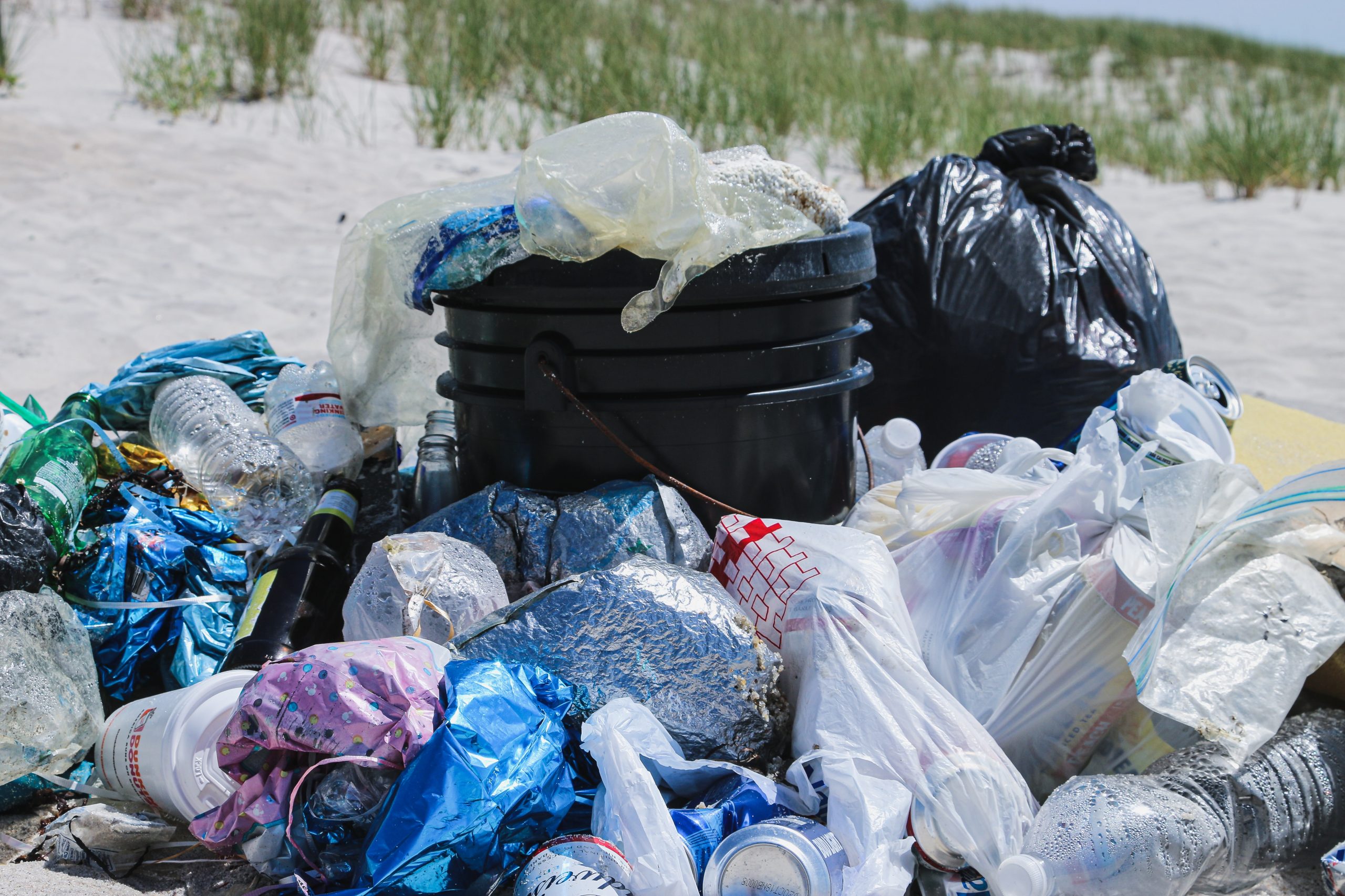
We have known that plastics are a global and growing problem. It was the 1960s that brought us the first reports of the impacts of marine plastic debris on marine species. We now know without a doubt that plastics are a health hazard to all living creatures. As a serious threat to all marine life, plastics have even created a new marine microbial habitat, the "platisphere." Plastics are a risk to human health and well-being, and its production has hidden costs for the global economy (the clean-up costs, and losses to marine natural capital, are estimated to be higher than the global plastic market, estimated at $580 billion US, in 2020). As a "threat multiplier," marine litter and plastics can act with other stressors, such as climate change and overexploitation of marine resources, intensifying their effects.
We know more and more about the challenges of plastics to our ecosystems, but that has not stopped us producing more and more of it. The last four decades have quadrupled global plastics production; and it is estimated that less than 10% of the plastics ever produced have been recycled.
These facts can be daunting. When we look at the "work of God's fingers," as Psalm 8 puts it, we are marveled by the heavens, the oceans, the plants, and sea creatures. Our human fingers have now left their plastic mark on these, for plastic has been described as the "marker of the Anthropocene," becoming part of the Earth's fossil record. Yet the same Psalm reminds us God placed men and women as "rulers over the works of [his] hands," and so we applaud these efforts to a more just stewardship, and wish to encourage responsible forms of production, consumption and habitation. Our fingers can also participate in God's renewal of the earth and the seas.
A future UN Plastics Treaty would be an important step for this to happen. The effort to reduce plastic pollution in marine and other environments has increased in the last few years, where several UNEA resolutions were adopted, and several governments and international organisations (such as Tearfund, A Rocha, Plastic Bank) join in this effort. As yet, there is no internationally binding treaty that deals with plastics, which is why last year's UNEA 5.2 session produced what has been described as a historic resolution, "End plastic pollution: towards an international legally binding instrument."
This resolution was the first step in creating a UN plastics treaty. The resolution decided to entrust an Intergovernmental Negotiating Committee (INC) to develop "an international legally binding instrument on plastic pollution, including in the marine environment," to be finalised by 2024. INC-1 was the first meeting, in November-December 2022. INC-2, the second session, is happening in France, from 29 May to 2 June.
We don't know exactly how the UN plastics treaty will turn out, but the UNEA resolution has a few points worth noting. The resolution aims to encompass the "full life cycle of plastics," from production, to design, to disposal—from source to sea. It also recognises that "plastic pollution includes microplastics." It is not only aimed at marine environments, but will include land-based sources. It is not meant as a blanket ban on plastic use, but carries a holistic approach aimed at "promoting sustainable design of products and materials so that they can be reused, remanufactured or recycled," wishing to involve all stakeholders in this process, from governments to the private sector.
Keep reading